


PVC panels are increasingly popular in modern interior design due to their versatility and practicality. Made from polyvinyl chloride, these panels serve various purposes, particularly in wall and ceiling applications. They come in multiple styles and finishes, catering to diverse aesthetic preferences. As their use expands, understanding their features and benefits becomes essential. What factors contribute to their growing dominance in interior spaces?
Why PVC Panels Are Dominating Modern Interiors
As interior design evolves, PVC panels have emerged as a leading choice for modern spaces, primarily due to their versatility in colors and patterns. PVC wall panels cater to various interior styles, from living rooms to kitchens, making them a popular option among designers. Their decorative PVC panels enhance the elegance of spaces while offering a one-stop solution for diverse design needs. Additionally, these moisture-proof wall panels excel in damp areas, preventing mold and damage. The simplicity of PVC panel installation, combined with their low maintenance requirements, allows homeowners to enjoy beautiful interiors without the hassle. With high durability and resistance to daily wear, PVC panels ensure longevity, making them an ideal choice for contemporary interiors.
What Are PVC Panels?
PVC panels are versatile building materials made from polyvinyl chloride, a type of plastic known for its durability and low cost. The manufacturing process involves extruding the PVC into sheets designed for wall and ceiling applications. When compared to other polymer building materials, PVC panels offer unique advantages in terms of moisture resistance and ease of installation.
Composition
Panels made from polyvinyl chloride (PVC) are synthetic materials widely used in construction and interior design. These panels are available in various pvc panel types, including interior PVC cladding and PVC ceiling panels, catering to diverse aesthetic and functional needs. The pvc panel is an affordable option compared to traditional materials like wood or drywall. One of the notable advantages of PVC panels is their durability, offering a pvc panel lifespan of 10 to 25 years indoors. Their low maintenance and resistance to moisture further enhance their appeal, making them suitable for various applications, particularly in humid environments where other materials may falter.
How PVC wall and ceiling panels are manufactured
While understanding the manufacturing process of wall and ceiling panels is crucial for making informed choices, the production of PVC panels involves several key steps. Initially, raw PVC resin is combined with additives to enhance properties like durability and fire resistance. This mixture is then heated and extruded into sheets, forming the desired panel shape. The panels are cooled and cut to size, ready for installation. In comparison to wood-plastic composites (WPC), PVC panels offer greater moisture resistance and lower installation costs. However, concerns about fire resistance and aesthetic limitations persist. Ultimately, the manufacturing process reflects a balance between affordability and performance, making PVC panels a popular choice for various applications.
PVC vs other polymer building materials
When comparing PVC panels to other polymer building materials, several factors come into play that highlight their unique advantages and disadvantages. PVC panels are generally more affordable and easier to install than alternatives like drywall and wood, making them a popular choice for cost-conscious projects. They excel in moisture resistance and durability, especially in humid environments. However, they may lack the aesthetic appeal of wood and can raise environmental concerns due to energy-intensive production processes. Additionally, PVC panels are non-biodegradable and may pose fire safety risks. In contrast, other polymers may offer superior aesthetics or environmental benefits, emphasizing the importance of careful selection based on specific project requirements and priorities.
Types of PVC Panels
There are several types of PVC panels available, each designed for specific applications and aesthetic preferences. These include PVC wall panels, ceiling panels, fluted or 3D panels, decorative panels, and marble-effect panels. Each type offers unique characteristics and benefits, making them versatile options for various interior designs.
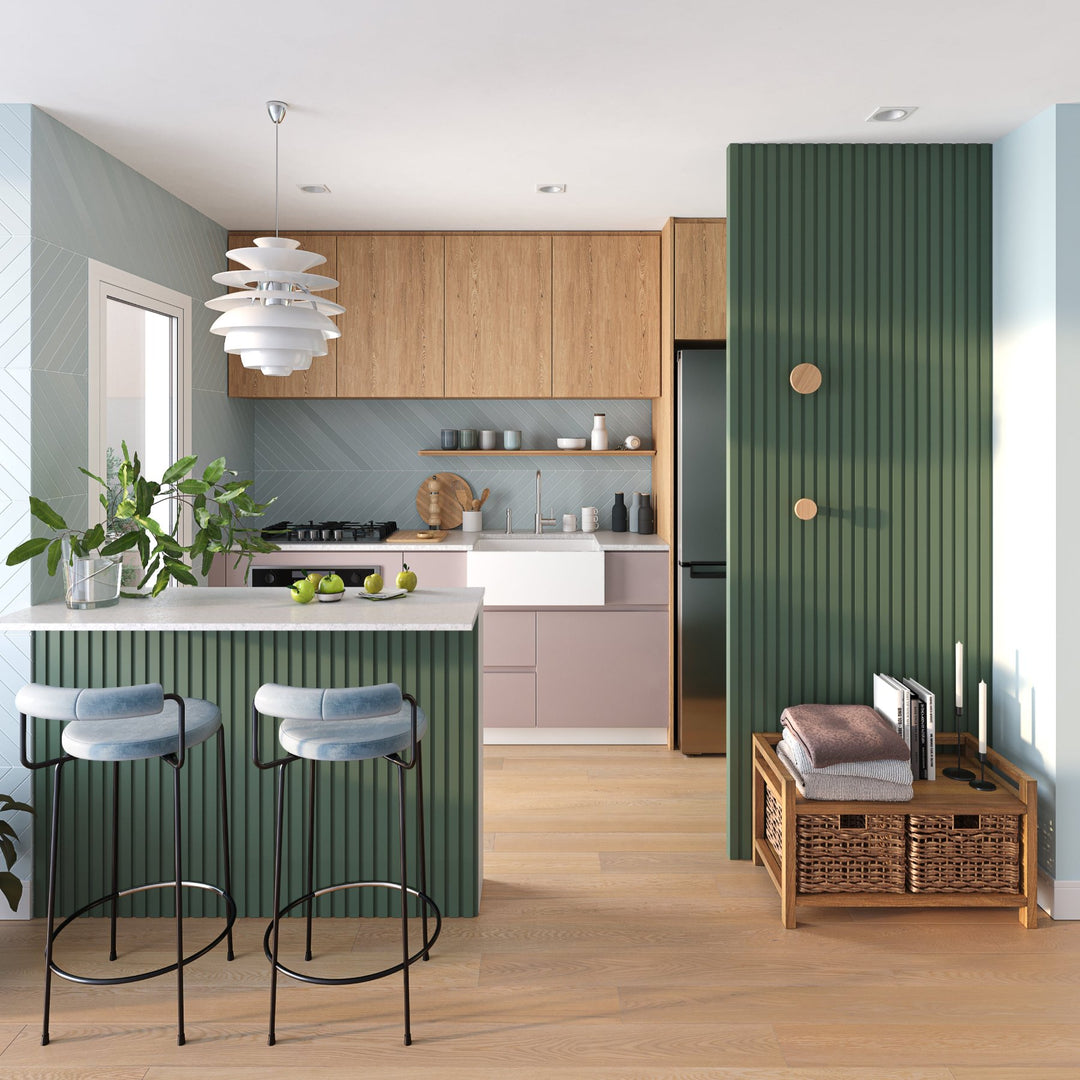
PVC Wall Panels
PVC wall panels are a versatile and practical choice for interior decoration, offering various styles and finishes to suit different aesthetic preferences. These panels provide an attractive alternative to traditional wall coverings, featuring numerous benefits such as durability and ease of maintenance.
- Water-resistant: Ideal for areas prone to moisture, such as bathrooms and kitchens.
- Lightweight: Easy to install without the need for heavy tools.
- Variety of designs: Available in patterns, textures, and colors to match any decor.
- Cost-effective: A budget-friendly solution for achieving a modern look.
PVC Ceiling Panels
Ceiling panels crafted from polyvinyl chloride (PVC) offer an innovative solution for enhancing interior spaces. These lightweight and durable panels are water-resistant and low-maintenance, making them particularly suitable for high-humidity areas like bathrooms and kitchens. PVC ceiling panels come in various finishes, including glossy, matte, and printed designs, allowing for versatile aesthetic applications. The tongue-and-groove interlocking design simplifies installation without the need for extensive tools. Additionally, PVC panels are fire-retardant and termite-proof, ensuring safety and longevity. Available in hollow and solid types, they cater to different use cases, from false ceilings to areas requiring robust support for fixtures. This combination of practicality and style makes PVC ceiling panels an attractive choice for modern interiors.
PVC Fluted / 3D Panels
Fluted and 3D panels represent a dynamic evolution in the range of PVC panels available for interior design. These innovative designs enhance aesthetic appeal while maintaining the practical benefits of traditional PVC panels. Their unique textures and patterns make them a popular choice for modern interiors, offering a visually striking alternative.
- Lightweight and Durable: Easy to handle and install without heavy tools.
- Variety of Designs: Available in multiple textures and finishes to suit various styles.
- Water-Resistant: Ideal for high-humidity areas like kitchens and bathrooms.
- Low Maintenance: Simple cleaning process ensures long-lasting beauty.
PVC fluted and 3D panels provide an excellent balance of form and function, making them a valuable addition to any space.
PVC Decorative Panels
A wide variety of decorative panels is available in the PVC category, each designed to cater to different aesthetic preferences and functional needs. Among these, glossy PVC panels offer a shiny surface that enhances lighting in smaller spaces, while matte panels provide a subtle, non-reflective finish that conceals imperfections. Printed PVC panels serve as decorative focal points, showcasing various styles and designs. Additionally, hollow PVC panels are lightweight and cost-effective, making them suitable for false ceilings, whereas solid PVC panels provide durability for high-use areas. These options ensure that homeowners can find the perfect match for their interior decor, combining both functionality and visual appeal in any setting.
PVC Marble-Effect Panels
Among the various types of PVC panels, marble-effect options stand out for their unique ability to mimic the luxurious look of natural stone while retaining the advantages of PVC. These panels provide an elegant aesthetic for a variety of spaces, including bathrooms and kitchens. They are lightweight, water-resistant, and easy to maintain, making them a practical choice for homeowners.
- Offers a luxurious appearance at a fraction of the cost of real marble.
- Available in various colors and designs to suit different decors.
- Resistant to moisture, preventing mold and mildew.
- Simple installation process with a tongue-and-groove design.
Key Features of PVC Panels
PVC panels are characterized by several key features that enhance their practicality and functionality. Their lightweight structure allows for easy handling and installation, while their water and moisture resistance protects against damage in humid environments. Additionally, the panels offer termite and mold resistance, along with impressive heat and sound insulation performance, making them suitable for various applications.
Lightweight Structure
The lightweight structure of PVC panels significantly enhances their versatility and ease of use in various applications. This feature makes PVC panels a popular choice for both residential and commercial settings, as they are easy to transport and install. Their flexibility allows for creative designs, accommodating bends and curves effortlessly. The fast installation process further emphasizes their practicality, as minimal tools are required.
- Ideal for walls and ceilings in diverse environments
- Reduces labor costs due to quick installation
- Available in a variety of colors and patterns
- Lightweight yet durable, providing excellent mechanical strength
Water & Moisture Resistance
While many building materials struggle in damp environments, PVC panels stand out due to their exceptional water and moisture resistance. Their non-absorbent nature makes them particularly suitable for areas prone to humidity, such as bathrooms and basements. This characteristic prevents bacterial growth, ensuring a healthier environment. Additionally, PVC panels maintain their structural integrity over time, resisting warping, bending, rusting, and peeling, which are common issues in traditional materials exposed to moisture. Lightweight yet durable, these panels are easy to install without extensive preparation, making them a practical choice for both residential and commercial applications. Their versatility allows for creative designs while effectively addressing moisture-related challenges, enhancing their appeal in various settings.
Termite & Mold Resistance
Given their unique composition, PVC panels inherently resist termites and mold, making them an ideal choice for environments where these pests and fungi are a concern. Their non-porous nature prevents moisture accumulation, which is essential in inhibiting mold growth. Additionally, the structural integrity of PVC panels ensures that termites cannot penetrate or damage them, maintaining the durability and aesthetics of the installation.
- Perfect for use in kitchens, bathrooms, and basements
- Suitable for both residential and commercial settings
- Reduces the need for chemical treatments against pests
- Contributes to a healthier indoor air quality by preventing mold spores
These attributes make PVC panels a practical solution for those prioritizing hygiene and longevity in their building materials.
Easy Installation (Tongue-and-Groove)
PVC panels offer an easy installation process, particularly through their tongue-and-groove design, which simplifies assembly for both professionals and DIY enthusiasts. This innovative setup allows panels to interlock seamlessly, requiring only basic tools for installation. The lightweight nature of the panels facilitates transport and reduces labor efforts, while minimal dust and mess ensure the area can be used immediately post-installation. Additionally, no extra finishing, such as painting or varnishing, is needed, further streamlining the process. PVC panels also cover large surface areas efficiently and can be cut to size, making them adaptable for various applications. This combination of features makes PVC panels an attractive choice for enhancing both aesthetic appeal and functionality in diverse settings.
Heat & Sound Insulation Performance
The heat and sound insulation performance of PVC panels enhances their appeal for various applications, particularly in settings where comfort and energy efficiency are paramount. Their unique composition contributes to effective thermal and acoustic insulation, making them suitable for both residential and commercial environments.
- Energy Efficiency: Reduces heating and cooling costs by maintaining indoor temperatures.
- Noise Reduction: Minimizes sound transmission, creating quieter spaces in busy areas.
- Versatility: Effective for walls and ceilings, adaptable to diverse architectural designs.
- Durability: Long-lasting performance allows for sustained insulation capabilities over time.
Cleaning & Maintenance Simplicity
Maintaining cleanliness and appearance is effortless with PVC panels, making them an ideal choice for busy environments. Their non-porous design effectively prevents dust and contaminants from accumulating, ensuring surfaces remain hygienic. Unlike traditional materials, these panels do not require repainting, significantly reducing maintenance efforts. Cleaning is straightforward; they can be washed with mild detergents and air-dried without risk of damage. Additionally, their water-resistant properties make them suitable for damp areas, further enhancing their longevity and ease of upkeep. With minimal upkeep required, PVC panels present an economical solution for various settings, reinforcing their practicality and suitability for both residential and commercial applications. Their durability ensures they remain visually appealing over time, requiring little more than routine cleaning.
Customisable Designs & Finishes
With a wide array of customizable designs and finishes, PVC panels cater to diverse aesthetic preferences and project requirements. Their versatility makes them suitable for various environments, from residential to commercial settings. Notably, PVC panels offer:
- A spectrum of colors and patterns, including realistic wood and tile imitations.
- Custom designs with a minimum order quantity, enabling personalization for unique projects.
- Laminated film finishes that enhance visual appeal while ensuring durability.
- Fast installation capabilities that allow for immediate use and minimal disruption.
These features not only enhance the overall design flexibility but also make PVC panels a practical choice for those seeking both functionality and style in their installations.
Advantages of PVC Panels
PVC panels offer numerous advantages that make them an appealing choice for various applications. Their affordability, low maintenance requirements, and durability in high-moisture environments enhance their practicality. Additionally, the versatility in aesthetics and eco-friendly options available further contribute to their growing popularity in construction and design.
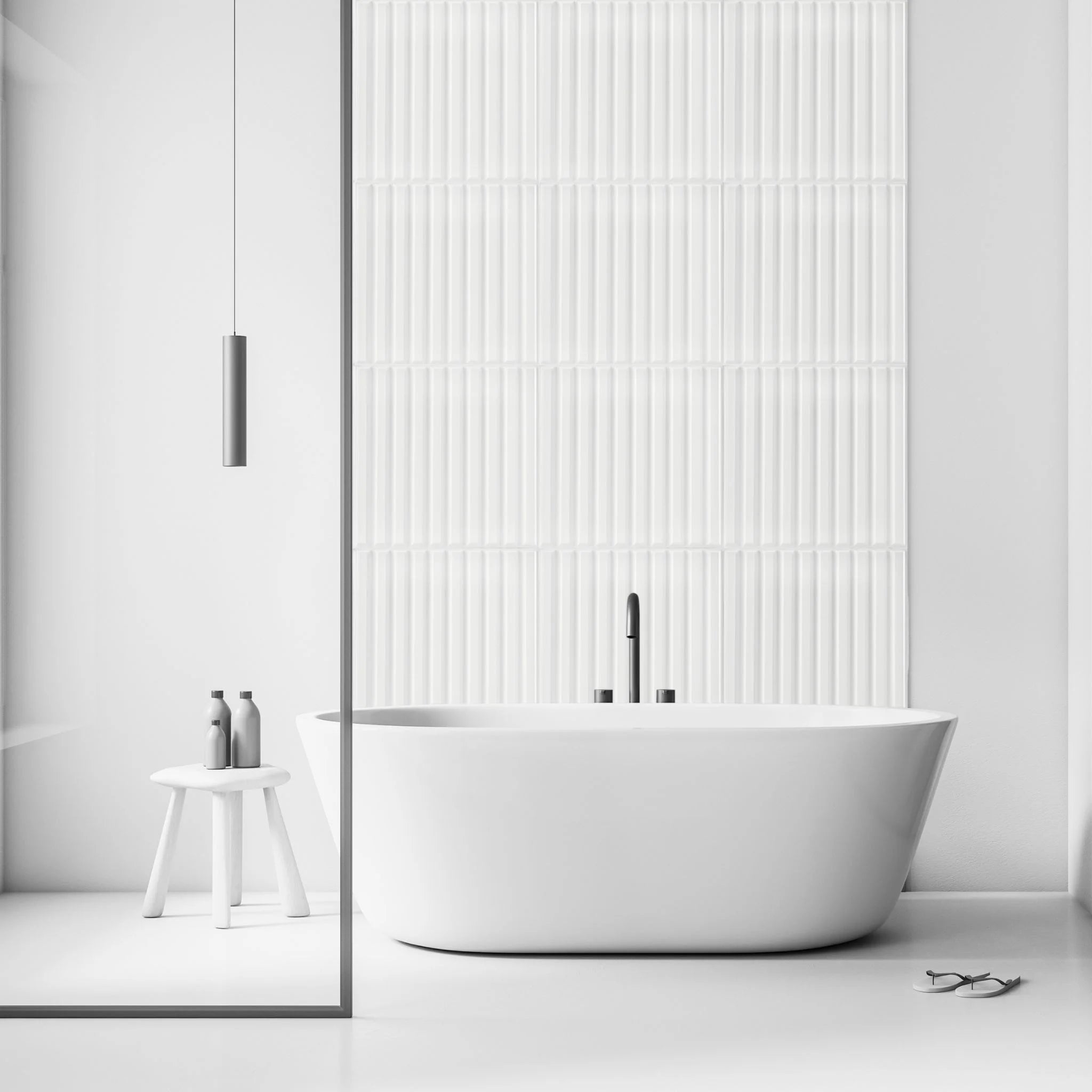
Affordable Material & Installation Cost
A notable advantage of PVC panels is their affordability, making them an economical choice compared to traditional materials like drywall or wood. The ease of installation further enhances their cost-effectiveness, as the simple tongue-and-groove system reduces labor expenses.
Key benefits include:
- Low overall investment compared to conventional materials.
- Reduced labor costs due to straightforward installation.
- Long-term savings from their durability and resistance to wear.
- Versatility for various applications, minimizing the need for multiple materials.
Low Maintenance
One significant advantage of PVC panels is their remarkably low maintenance requirements, making them an appealing choice for homeowners and businesses alike. These panels are waterproof, resistant to mold and mildew, and easy to clean, ensuring they remain in good condition with minimal effort. Regular maintenance involves simple cleaning with mild soap and water, avoiding harsh chemicals.
| Feature | Benefits | Maintenance Tips |
|---|---|---|
| Waterproof | Prevents moisture damage | Wipe down regularly |
| Mold & Mildew Resistant | Reduces health risks | Inspect for buildup every 3 months |
| Easy to Clean | Simple maintenance routine | Use mild soap and a soft cloth |
| Durable | Longer lifespan in various conditions | Periodic checks for wear |
| Environmentally Friendly | Made from recyclable materials | Consider eco-friendly options |
Durable for High-Moisture Spaces
When it comes to high-moisture environments, the durability of PVC panels stands out as a vital asset. These panels are specifically designed to withstand conditions that would typically damage traditional materials like wood or drywall. Their composition makes them resistant to moisture and mold, ensuring longevity even in challenging settings.
- Waterproof: Prevents damage from humidity and spills.
- Mold and Mildew Resistant: Reduces health risks associated with damp environments.
- Long Lifespan: Offers 10-25 years of service indoors.
- Easy Installation: Simplifies the process, reducing labor and time costs.
Versatile Aesthetic Options
The versatility of PVC panels extends beyond their durability in high-moisture environments, offering a wide range of aesthetic options that cater to various design preferences. Available in numerous colors, textures, and finishes, PVC panels can mimic the appearance of wood, stone, or ceramic, providing a customizable look for any space. Their affordability makes them an attractive choice for budget-conscious homeowners and designers alike. Additionally, the low-maintenance nature of PVC allows for easy cleaning and upkeep, ensuring that these panels retain their visual appeal over time. While some lower-quality options may appear less desirable, selecting high-quality PVC can enhance the overall aesthetic of a room without compromising on functionality.
Eco-Friendly & Recyclable Options
Although often overlooked, the eco-friendly and recyclable options of PVC panels present significant advantages for environmentally conscious consumers. These panels are manufactured from recyclable materials, promoting sustainable practices in the construction industry. By choosing PVC, consumers can help reduce waste and minimize environmental impact.
- Made from recycled materials, which conserves resources.
- Potential to save up to 90% of energy during recycling compared to new production.
- Phthalate-free options available, reducing health risks associated with VOCs.
- Durable lifespan minimizes the need for frequent replacements, further reducing waste.
Incorporating eco-friendly PVC panels into design projects not only contributes to sustainability but also supports a healthier living environment.
High Adaptability for Any Interior Space
High adaptability makes PVC panels an excellent choice for diverse interior spaces. Their affordability, low maintenance requirements, and durability make them ideal for various applications, from residential to commercial settings. Furthermore, their ease of installation contributes to their versatility.
| Feature | Description |
|---|---|
| Affordability | Varies depending on type, thickness, design, and application |
| Low Maintenance | Waterproof and mold-resistant |
| Durability | Lifespan of 10-25 years |
| Installation Ease | Simple tongue-and-groove system |
| Environmental Impact | Made from recyclable materials |
With these characteristics, PVC panels effectively meet the needs of any space while providing a long-lasting, practical solution. Their adaptability allows them to blend seamlessly into various design styles, enhancing both functionality and aesthetics.
Disadvantages of PVC Panels
While PVC panels offer numerous advantages, they also present several disadvantages that should be considered. Concerns about fire resistance, aesthetic limitations compared to wood, and potential environmental impacts if not recycled are significant drawbacks. Additionally, their structural fragility may not meet the demands of certain applications when compared to more robust materials like SPC or wood.
Fire Resistance Limitations
Fire resistance limitations pose a significant concern for PVC panels, particularly in environments where high temperatures may be encountered. Unlike some traditional materials, PVC can warp or release toxic fumes when exposed to flames or extreme heat. This raises safety issues, especially in residential or commercial settings.
- PVC panels may not meet fire safety codes in certain applications.
- They can contribute to fire spread due to their flammability.
- High-temperature exposure can lead to structural failure.
- Fire-rated versions are necessary for high-risk areas to enhance safety.
Considering these limitations is crucial for anyone planning to use PVC panels in environments where fire hazards may exist. Proper selection and installation can mitigate some risks.
Aesthetic Limitations Compared to Wood
Although PVC panels offer several practical benefits, their aesthetic appeal often falls short when compared to wood. Many consumers find that lower-quality PVC options can appear plasticky, lacking the warmth and authenticity of natural wood. This difference can be particularly evident in high-end applications where visual appeal is paramount.
| Feature | PVC Panels |
|---|---|
| Appearance | Often shiny, plasticky |
| Texture | Smooth, uniform |
| Warmth | Lacks natural warmth |
| Customization | Limited compared to wood |
While PVC can effectively mimic wood grain in some designs, it generally fails to replicate the intricate textures and rich hues found in real wood. Thus, for projects emphasizing aesthetics, wood remains a preferred choice.
Environmental Concerns (if not recycled)
Environmental concerns surrounding PVC panels arise primarily when they are not recycled, as improper disposal can lead to significant ecological damage. The non-biodegradable nature of PVC means it can persist in landfills for centuries, potentially contaminating soil and waterways. Additionally, the production of PVC panels is energy-intensive and can release harmful volatile organic compounds (VOCs) into the atmosphere.
- PVC waste contributes to long-term pollution.
- Incineration can release toxic byproducts.
- Landfill accumulation affects local ecosystems.
- Recycling efforts can significantly reduce environmental impact.
Addressing these concerns emphasizes the importance of responsible disposal and recycling practices to mitigate the ecological footprint of PVC panels.
Structural Fragility vs. SPC/Wood
Structural integrity plays a crucial role in the performance of building materials, and PVC panels exhibit notable disadvantages when compared to more traditional options like wood or stone polymer composite (SPC). One significant drawback is their lower load-bearing capacity, making them structurally fragile in certain applications. While PVC panels are resistant to moisture and insects, they can warp under high temperatures, posing fire safety concerns. Additionally, the aesthetic appeal of wood remains unmatched, offering a premium look that PVC often lacks. Furthermore, PVC is non-biodegradable, which raises environmental issues if not recycled. These factors are essential for consumers to consider when selecting materials for construction or remodeling projects.
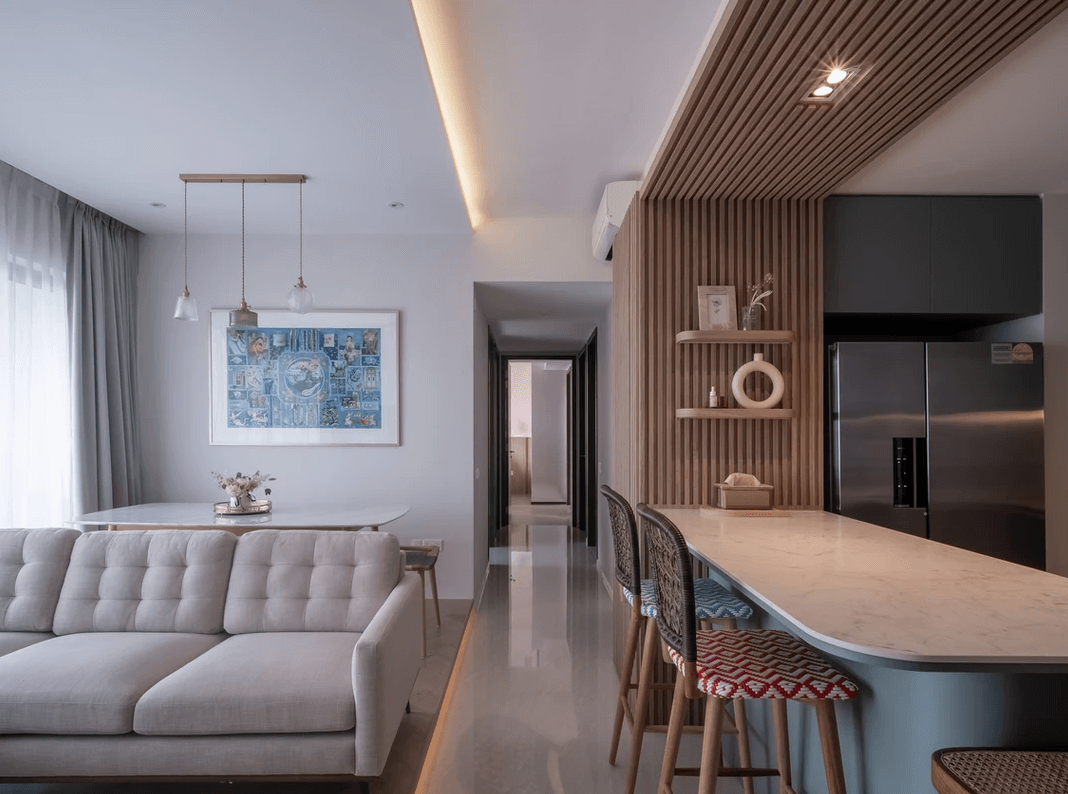
PVC Panels vs Other Wall Materials
When comparing PVC panels to other wall materials, several factors come into play, including durability, maintenance, and aesthetic appeal. Wooden panels, WPC panels, SPC panels, and traditional finishes like tiles, paint, or wallpaper each offer unique benefits and drawbacks. Understanding these differences can help consumers make informed choices based on their specific needs and preferences.
PVC Panels vs Wooden Panels
In the debate between PVC panels and wooden panels, the choice often hinges on factors such as durability, maintenance, and aesthetic appeal. PVC panels, made from bonded plastic, are 100% mold and termite-proof, requiring minimal maintenance and offering weather resistance. In contrast, wooden panels, while aesthetically appealing, need regular upkeep and can warp in damp conditions.
- Durability: PVC panels resist moisture and wear, while wood can deteriorate without proper care.
- Maintenance: PVC only requires cleaning; wood needs sanding and resealing.
- Aesthetic Appeal: Wood provides a rustic charm, whereas PVC offers modern versatility.
- Cost: Generally, PVC panels are more affordable compared to their wooden counterparts.
PVC Panels vs WPC Panels
The comparison between PVC panels and WPC panels highlights significant differences in composition, aesthetics, and performance characteristics. PVC panels, made from synthetic polyvinyl chloride, exhibit a smooth, glossy surface, whereas WPC panels, composed of wood fiber and plastic, feature a natural wood-like appearance with visible grains. This aesthetic difference often influences consumer choice. In terms of installation, WPC panels allow for various methods, providing versatility, while PVC panels typically require adhesive, leading to simpler installation. Performance-wise, WPC panels are thicker and more fire-resistant, offering better moisture resistance, making them suitable for high-humidity environments. Conversely, PVC panels, while water-resistant, do not absorb moisture as effectively, impacting their long-term durability in specific applications.
PVC Panels vs SPC Panels
PVC panels and SPC panels offer distinct advantages as wall materials, catering to different aesthetic and functional requirements. While PVC panels are made entirely of polyvinyl chloride, providing versatility and a wide array of colors and patterns, SPC panels incorporate natural stone powder, enhancing their strength and durability.
- SPC panels mimic natural stone, ideal for upscale designs.
- PVC panels are lightweight, facilitating easy installation.
- SPC panels boast superior impact resistance, perfect for high-traffic areas.
- PVC panels are budget-friendly, appealing to cost-conscious consumers.
Ultimately, the choice between PVC and SPC panels depends on the specific needs of the project, such as desired aesthetics, durability, and budget considerations.
PVC Panels vs Tiles or Paint or Wallpaper
Frequently, homeowners and designers face the decision of selecting the ideal wall covering from various options such as PVC panels, tiles, paint, and wallpaper. Each material has distinct advantages and drawbacks that influence choice.
| Material | Cost Effectiveness | Maintenance Requirements |
|---|---|---|
| PVC Panels | Cost-effective, low maintenance | Easy to clean, no repainting |
| Tiles | Expensive, high installation costs | Requires special cleaning |
| Paint | Low upfront cost, frequent touch-ups | Attracts dust, needs repairs |
| Wallpaper | Mid-range pricing, potential for peeling | Hard to clean, may discolor |
Ultimately, the selection depends on individual preferences for durability, maintenance, and aesthetics, with PVC panels often emerging as a versatile and practical choice.
Applications of PVC Panels
PVC panels have found extensive applications across various environments, including residential, commercial, and hospitality settings. Their versatility makes them suitable for use in bedrooms, offices, hotels, and even wet areas like laundry rooms and bathrooms. With options for ceiling and feature walls, PVC panels cater to a wide range of design needs while ensuring durability and ease of maintenance.
Residential: Bedrooms, Living Rooms, Kitchens, Bathrooms
In residential spaces, the versatility of PVC panels makes them an excellent choice for enhancing the aesthetic and functional qualities of bedrooms, living rooms, kitchens, and bathrooms. Their lightweight nature allows for easy installation, minimizing dust and mess. Available in various colors and patterns, these panels can mimic wood or tile designs, elevating any interior. Key benefits include:
- Water resistance, making them ideal for kitchens and bathrooms.
- Low maintenance requirements, with easy-to-clean surfaces.
- Fire-resistant options that meet building code standards.
- Customizable designs to accommodate personal style preferences.
With their durability and aesthetic appeal, PVC panels serve as a cost-effective solution for homeowners looking to upgrade their living spaces while ensuring long-lasting quality.
Commercial: Offices, Retail, Showrooms
The adaptability of PVC panels extends seamlessly into commercial environments, where they are increasingly favored for applications in offices, retail spaces, and showrooms. Their lightweight and durable nature simplifies transportation and installation, minimizing dust and mess. PVC panels can be customized in various colors and patterns, enhancing aesthetic appeal while meeting diverse design requirements. With features like water resistance and fire resistance, they are suitable for a range of conditions, ensuring longevity without the need for extensive maintenance. Their budget-friendly pricing and fast installation further make them a preferred choice, allowing businesses to achieve functional and visually striking interiors efficiently. Overall, PVC panels offer a practical solution for modern commercial applications.
Hospitality: Hotels, Restaurants
While enhancing the ambiance and functionality of hospitality venues, PVC panels have become a popular choice for hotels and restaurants. Their versatility allows for both aesthetic appeal and practical benefits, making them ideal for various applications within these spaces.
- Lightweight and easy to install, minimizing disruption during renovations.
- Available in a variety of colors and patterns, including wood and tile designs.
- Water and fire-resistant options ensure safety and durability in high-traffic areas.
- Low maintenance requirements help keep operational costs down.
Wet Areas: Laundry Rooms, Basements, Washrooms
Wet areas such as laundry rooms, basements, and washrooms present unique challenges due to their high moisture levels. PVC panels are an ideal solution for these environments, thanks to their water-resistant properties and durability. Lightweight and easy to install, they can be fitted quickly, minimizing disruption. The panels are designed to prevent bacterial growth, ensuring a hygienic space. Their non-porous nature allows for simple cleaning, requiring little maintenance over time. Additionally, the aesthetic options available, including various colors and patterns, enhance the visual appeal of these often-utilitarian spaces. With their cost-effectiveness and longevity, PVC panels serve as a practical and stylish choice for wet areas, combining functionality with design flexibility.
Ceiling & Feature Walls
PVC panels offer versatile applications beyond wet areas, making them an excellent choice for ceiling and feature wall installations. Their lightweight and flexible design allows for easy customization, catering to various environments such as offices, hotels, and homes. With an impressive range of colors and patterns, these panels enhance aesthetic appeal while ensuring durability and low maintenance.
- Quick and easy installation with tongue and groove setup
- Water-resistant and fire-resistant options for added safety
- Customizable designs to match any décor
- Minimal upkeep required, making them budget-friendly
Installation Guide for PVC Panels
The installation of PVC panels requires careful preparation and the right tools to ensure a successful outcome. A step-by-step installation guide can help both DIY enthusiasts and professionals navigate the process effectively while avoiding common mistakes. Understanding the necessary tools and techniques is essential for achieving a durable and aesthetically pleasing finish.
Tools Required
A variety of essential tools are needed for the successful installation of PVC panels. Proper preparation and the right equipment can significantly impact the quality of the installation. The following tools are recommended:
- Measuring Tape: To accurately measure wall dimensions and cut panels to the correct size.
- Utility Knife: For cutting the PVC panels cleanly and precisely.
- Notched Trowel: To apply adhesive evenly on the back of the panels.
- Level: Ensures that panels are installed straight and aligned properly.
Having these tools on hand will facilitate a smoother installation process, resulting in a more professional finish. Proper tool use and preparation contribute significantly to the durability and appearance of the finished project.
Step-by-Step Installation (Basic Guide)
Successful installation of PVC panels involves a systematic approach that ensures optimal results. First, the wall surface must be clean, dry, and free from dust or debris. Next, measure the wall area and cut the PVC panels to the required size. High-quality adhesive designed for PVC panels should be applied to the back of each panel in a zigzag pattern. The panel is then positioned on the wall, starting from one corner and pressed firmly to secure adhesion. For larger panels, temporary supports can be used while the adhesive cures. Finally, adding screws or nails along the edges enhances security, especially in high-traffic areas. Following these steps will lead to a successful installation of PVC wall panels.
Tips for DIY vs Professional Installation
Choosing between DIY and professional installation of PVC panels can significantly impact the overall project outcome. DIY installation may be suitable for those with basic skills, allowing for cost savings and flexibility. However, for intricate spaces or high-traffic areas, professional installation ensures precision and durability.
Consider the following tips when making your choice:
- Assess your skill level and experience with similar projects.
- Evaluate the complexity of the installation area, such as corners or irregular shapes.
- Research local professionals with expertise in PVC panel installation.
- Review manufacturer guidelines to ensure proper adhesive application and panel placement.
Ultimately, the decision should reflect the project’s requirements and the desired quality of the final result.
Avoiding Common Mistakes
When installing PVC panels, avoiding common mistakes is vital for achieving a professional finish. Proper preparation of the wall surface is crucial; it must be clean, dry, and free of debris. Additionally, measuring and cutting the panels accurately prevents complications during installation. Using the right adhesive and applying it correctly can enhance adhesion, while temporary supports may be necessary for larger panels.
| Common Mistakes | Solutions |
|---|---|
| Neglecting surface prep | Clean and dry the wall surface |
| Incorrect adhesive usage | Use high-quality PVC adhesive |
| Inaccurate measurements | Measure twice, cut once |
| Not securing edges | Use screws or nails for support |
| Ignoring manufacturer guidelines | Follow installation instructions |
Cost of PVC Panels
The cost of PVC panels encompasses various factors, including material costs and labour fees associated with installation. When comparing PVC to traditional options like wood and tile, it is essential to consider both initial expenses and long-term return on investment. Understanding these elements helps in making informed decisions about the use of PVC panels in construction and renovation projects.

Material Cost Overview
PVC panels offer an economical solution for various construction and design projects, making their material cost a significant factor for consumers. The price of PVC panels can vary based on quality, thickness, and design. Generally, they are considered a budget-friendly option compared to traditional materials. Key considerations in material cost include:
- Quality: Higher-grade panels may come with a higher price tag but offer better durability.
- Thickness: Thicker panels tend to be more expensive yet provide increased strength.
- Design: Decorative panels or those with intricate patterns often cost more than plain options.
- Supplier: Prices can fluctuate based on the supplier and regional availability.
Understanding these factors can help consumers make informed decisions when selecting PVC panels for their projects.
Labour Cost & Installation Fees
Material costs are only part of the equation when considering the overall expenses associated with PVC panels. Labour costs and installation fees can significantly impact the total investment. These fees vary based on factors such as region, project complexity, and the experience of the hired professionals. Typically, installation involves preparation work, precise measurements, and ensuring proper alignment, which may require skilled labor. Homeowners may opt for DIY installations to save on costs, but this approach necessitates a certain level of expertise and can be time-consuming. Engaging professionals often guarantees a higher quality finish and adherence to safety standards, although it adds to the initial outlay. Therefore, assessing both material and labour costs is crucial for accurate budgeting.
Cost Comparison: PVC vs Wood, Tile, WPC
When comparing costs, PVC panels often emerge as a more budget-friendly option than wood, tile, and wood-plastic composites (WPC). The lower price point and reduced maintenance requirements make PVC an attractive choice for many homeowners and businesses.
Key cost considerations include:
- Material Cost: PVC panels typically cost less per square foot than wood and tile.
- Installation Fees: Installation of PVC panels can be quicker and cheaper due to their lightweight nature.
- Maintenance Expenses: PVC panels require less upkeep, translating to savings over time.
- Durability: They resist moisture and pests, reducing replacement costs compared to wood.
Lifespan & ROI Considerations
The lifespan of PVC panels significantly influences their overall return on investment (ROI). Typically, these panels can last between 20 to 30 years, depending on material quality and installation conditions. Their durability minimizes the need for frequent replacements, making them a cost-effective choice in the long run. Unlike traditional materials, PVC panels resist moisture, mold, and warping, which further extends their usability. Additionally, their low maintenance requirements contribute to reduced ongoing costs. When evaluating ROI, it’s essential to consider initial costs, longevity, and minimal upkeep. Overall, investing in PVC panels can yield substantial savings over time, making them a financially sound option for construction and renovation projects.
How Long Do PVC Panels Last? (Durability Analysis)
The lifespan of PVC panels can vary significantly based on several factors, including installation quality and maintenance practices. Over time, PVC may weaken due to poor care or exposure to harsh conditions, leading to reduced durability. Establishing an ideal maintenance schedule is essential for preserving the integrity and extending the life of these panels.
Lifespan
While many factors influence the lifespan of PVC panels, the quality of materials, installation, and maintenance practices stand out as crucial determinants. High-grade PVC panels can typically last between 20 to 30 years, provided they are installed and maintained correctly. Key considerations for maximizing their longevity include:
- Professional installation to prevent issues like warping and misalignment.
- Regular cleaning using damp cloths to maintain appearance and integrity.
- Timely inspections to catch wear and tear early.
- Quality materials, as low-grade panels are prone to faster deterioration.
When PVC weakens
As PVC panels age, their structural integrity can diminish, leading to various signs of wear and tear. Factors such as poor installation can result in warping and misalignment, while low-quality materials may deteriorate faster than their high-grade counterparts. Additionally, irregular maintenance allows dirt buildup, further compromising the panels overall integrity. Exposure to extreme weather conditions can also accelerate damage, particularly for panels that lack durability. The expected lifespan of high-grade PVC panels ranges from 20 to 30 years, but neglecting proper installation and maintenance significantly reduces this timeframe. Ultimately, the longevity of PVC panels is closely linked to installation quality, material choice, and ongoing care, making these elements crucial for sustained performance and appearance.
Ideal maintenance schedule
Maintaining PVC panels on an ideal schedule is vital for ensuring their durability and extending their lifespan. Regular maintenance practices significantly affect the overall integrity and appearance of the panels, preventing issues such as dirt buildup and damage from extreme weather.
- Conduct proper installation by hiring professionals to avoid misalignment.
- Establish a regular cleaning routine using soft cloths and mild solutions.
- Schedule inspections to identify wear and tear early and address any issues promptly.
- Avoid harsh chemicals that may scratch or damage the panels.
Design Ideas & Modern Trends
In exploring design ideas and modern trends for PVC panels, various applications can enhance both aesthetic appeal and functionality. Bedroom accent walls and living room feature panels provide opportunities for personal expression, while ceiling designs can add a unique dimension to any space. Additionally, marble-look bathroom panels and the rising minimalist and fluted trends for 2026 reflect a shift towards sophistication and simplicity in interior design.
![Fluted Panel TV Feature Wall] Why Is It So Popular? - Weiken Interior Design](https://www.weiken.com/wp-content/uploads/2020/10/1-Living-Area-scaled.jpg?utm_source=chatgpt.com)
Bedroom Accent Walls
Creating a captivating bedroom accent wall can transform the overall aesthetic of the space, enhancing both style and comfort. PVC wall panels offer a versatile option for achieving this effect, mimicking the appearance of natural materials while providing durability and ease of maintenance.
- Wood-finish panels create a warm, inviting atmosphere.
- Light-colored panels maintain brightness and visual balance.
- Marble-finish panels add a touch of luxury to the room.
- Textured finishes allow for personalized expression and ambiance.
These panels are not only fire-retardant and termite-resistant but also waterproof, making them suitable for various bedroom designs. With simple installation and a wide variety of styles, PVC wall panels are an ideal choice for modern accent walls.
Living Room Feature Panels
Living rooms serve as the heart of a home, where style and functionality converge. PVC wall panels have emerged as a popular choice for feature walls, offering versatility in design while mimicking natural materials like wood or stone. These panels are not only aesthetically pleasing but also practical; they are waterproof, fire-retardant, and termite-resistant, ensuring durability. Homeowners can opt for textured finishes or glossy surfaces to create a modern look, while lighter shades can enhance brightness. Easy to clean and simple to install, PVC panels are ideal for those seeking a cost-effective alternative to traditional materials. By integrating these panels, individuals can personalize their living spaces while maintaining a cohesive and stylish environment.
Ceiling Designs
Although often overlooked, ceiling designs play a crucial role in enhancing the overall aesthetic of a space, and PVC panels offer innovative solutions for modern interiors. Their lightweight and moisture-resistant properties make them ideal for various settings, including kitchens and bathrooms. The versatility of PVC panels allows for a wide range of design options that can transform ceilings into eye-catching features.
- Sleek, glossy finishes for a contemporary look
- Textured wood finishes for warmth and coziness
- Elegant marble patterns for a touch of luxury
- Bold colors to create striking visual contrasts
These design options enable homeowners and designers to express personal style while benefiting from the durability and low maintenance of PVC materials.
Marble-Look Bathroom Panels
As homeowners seek to elevate their bathroom aesthetics, marble-look PVC panels have emerged as a popular choice, offering the luxurious appearance of natural stone without the associated maintenance challenges. These panels, composed of durable polyvinyl chloride, mimic the elegance of marble while being waterproof and easy to clean. Their resistance to moisture and pests makes them ideal for bathrooms, where durability is essential. With a variety of textures and finishes available, homeowners can create stunning visual effects, transforming ordinary spaces into sophisticated retreats. The cost-effective nature of PVC panels also allows for design flexibility, making it an attractive option for both renovations and new constructions. Ultimately, marble-look PVC panels combine beauty and practicality seamlessly.
Minimalist & Fluted Trends (2026)
Minimalist and fluted design trends are set to dominate home interiors in 2026, reflecting a shift towards simplicity and elegance. These trends emphasize clean lines and subtle textures, making PVC wall panels an ideal choice for achieving a modern aesthetic. The versatility of PVC allows homeowners to effortlessly incorporate these designs while benefiting from durability and low maintenance.
- Fluted panels add dimension without overwhelming spaces.
- Light, neutral colors enhance natural light and create a serene ambiance.
- Textured finishes mimic natural materials, providing warmth and sophistication.
- Easy installation supports DIY enthusiasts pursuing a minimalist look.
As these trends gain traction, PVC panels will play a significant role in transforming interiors into stylish, functional spaces.
Environmental Impact & Sustainability Considerations
The environmental impact of PVC panels is increasingly significant as sustainability becomes a priority in construction. Their recyclability and availability of low-VOC options position them as a viable alternative to traditional wood-based materials, which can contribute to deforestation. This comparison highlights the potential for PVC panels to support more sustainable building practices while maintaining durability and functionality.
Recyclability
Recyclability stands as a crucial factor in the environmental impact and sustainability considerations of PVC panels. As the demand for eco-friendly building materials rises, PVC panels have gained attention for their ability to reduce waste and deforestation compared to traditional materials. Their recyclable nature minimizes landfill contributions, aligning with growing consumer interest in sustainable practices.
- Made from recyclable materials, decreasing environmental impact
- Helps lower construction waste compared to wood and metal
- Long-lasting durability reduces the frequency of replacements
- Energy-efficient properties enhance overall sustainability
Low-VOC options
While many building materials release harmful volatile organic compounds (VOCs), low-VOC options for PVC panels present a healthier alternative for both indoor environments and the planet. These eco-friendly panels not only minimize harmful emissions but also support sustainability by utilizing recyclable materials.
| Feature | Low-VOC PVC Panels | Traditional Materials |
|---|---|---|
| VOC Emissions | Low | High |
| Recyclability | Yes | Limited |
| Durability | High | Variable |
| Environmental Impact | Positive | Often Negative |
The adoption of low-VOC PVC panels aligns with the rising demand for sustainable building materials. Their non-toxic nature, coupled with durability and low maintenance needs, makes them suitable for various applications, particularly in residential and commercial sectors.
Comparison with wood-based alternatives
Although wood-based materials have long been considered a staple in construction, their environmental impact raises significant concerns in today’s sustainability-focused landscape. Eco-friendly PVC panels present compelling alternatives, addressing many of these issues while offering durability and versatility.
- PVC panels reduce deforestation and waste compared to wood and metal.
- Their recyclable nature minimizes contributions to landfills.
- Long-lasting durability decreases the frequency of replacements.
- Energy efficiency lowers heating and cooling requirements.
In contrast, wood harvesting contributes to habitat destruction and carbon emissions. By utilizing recycled PVC materials and employing sustainable manufacturing practices, the overall environmental footprint is significantly reduced. Consequently, PVC panels emerge as a responsible choice for eco-conscious consumers seeking sustainable building solutions.
Are PVC Panels Safe?
The safety of PVC panels encompasses several important factors, including their impact on indoor air quality, fire safety, and suitability for children and allergy-sensitive individuals. While high-quality PVC panels are designed to minimize harmful emissions, considerations around fire resistance and potential allergens remain relevant for homeowners. Analyzing these aspects can provide a comprehensive understanding of the overall safety of PVC panels in residential settings.
Indoor Air Quality Considerations
Safety is a paramount concern when considering building materials for interior spaces, and PVC panels have emerged as a popular choice for their practicality and aesthetic appeal. These panels are crafted from polyvinyl chloride, a synthetic polymer known for its durability and moisture resistance. While concerns about toxicity exist due to chemical additives, high-quality PVC panels are designed to minimize these risks, ensuring they do not emit harmful fumes.
Consider the following key points regarding indoor air quality:
- PVC panels are safe for residential use.
- High-quality brands prioritize non-toxic manufacturing.
- Proper installation prevents gaps and moisture issues.
- Regular maintenance enhances their longevity and safety.
Thus, PVC panels can provide peace of mind for homeowners focused on indoor air quality.
Fire Safety
When assessing the safety of PVC panels, particularly in relation to fire hazards, it becomes crucial to understand their fire-resistant properties. PVC, or polyvinyl chloride, is engineered to offer a degree of flame resistance. While it is not completely fireproof, high-quality PVC panels are designed to meet safety standards that minimize fire risks. They are less likely to ignite and, when exposed to flames, will not contribute significantly to fire spread. Moreover, they do not emit harmful fumes that could exacerbate fire conditions. Homeowners can find peace of mind knowing that reputable brands prioritize safety in manufacturing, making PVC panels a reliable choice for various indoor applications, especially in moisture-prone areas where fire safety is a concern.
Child-Safe & Allergy-Safe Aspects
While concerns about materials in the home often arise, PVC panels stand out as a child-safe and allergy-safe option for families. Made from polyvinyl chloride, these panels are designed to be non-toxic, emitting no harmful fumes. High-quality brands prioritize safety, ensuring minimal chemical additives. Their moisture resistance further enhances their suitability for humid areas, reducing the risk of mold—an allergen trigger.
- Scratch and stain-resistant, perfect for active households
- Easy to clean with just a damp cloth
- Require less maintenance than traditional materials
- Available in various designs to suit any decor
How to Choose the Right PVC Panel
When selecting the right PVC panel, it is essential to consider the intended purpose, whether for walls, ceilings, or decorative elements. Additionally, factors such as the moisture level of the room, specific design requirements, and budget constraints will significantly influence the decision. Understanding these elements helps ensure optimal functionality and aesthetic appeal in any space.

Purpose (Wall, Ceiling, Decorative, Fluted)
Choosing the right PVC panel requires careful consideration of its intended purpose, whether for walls, ceilings, or decorative applications. The selection process involves evaluating various factors to ensure the panel complements the desired aesthetic and functional needs of the space.
- Colour Selection: Match the panel colour with the room’s theme or create a feature wall.
- Finish Options: Decide between gloss, high gloss, or matt finishes to influence lighting and ambiance.
- Type/Style of Panel: Choose between hollowcore for strength or solidcore for density based on durability needs.
- Panel Profile: Select from flush finishes or V grooves for varying visual effects and textures.
Understanding these aspects will guide the selection of PVC panels to achieve the desired outcome.
Moisture Level of the Room
The moisture level of a room plays a crucial role in determining the appropriate type of PVC panel to use. In areas with high humidity, such as bathrooms or kitchens, solidcore panels are recommended for their greater density and resistance to moisture. Conversely, hollowcore panels may suffice in drier environments. Additionally, the choice of finish can impact performance; high gloss finishes can repel moisture better than matte finishes. It is also essential to consider panel size and profile, as larger panels may reduce seams that could trap moisture, while specific profiles can enhance water resistance. By evaluating these factors, one can select the ideal PVC panel that balances aesthetics and functionality within the given moisture conditions.
Design Requirements
Selecting the right PVC panel requires careful consideration of various design requirements to ensure both functionality and aesthetic appeal. Understanding the key elements can significantly enhance the overall outcome of a project:
- Colour Selection: Align panel colors with the room’s theme and consider flat colors versus patterns.
- Finish Options: Choose from gloss, high gloss, or matt finishes to influence lighting and perception of space.
- Type/Style of Panel: Assess hollowcore for strength or solidcore for density based on durability needs.
- Size of Panel: Determine the appropriate size (250mm, 400mm, or 1000mm) to achieve the desired design impact and installation efficiency.
Budget & Long-Term Use
Budget considerations play a crucial role in determining the suitability of PVC panels for any project. Selecting the right colour and finish can significantly impact the overall cost; flat colours may be less expensive than intricate patterns. Additionally, choosing between gloss, high gloss, or matt finishes affects both aesthetics and budget. The type of panel—hollowcore or solidcore—will also influence costs, with solidcore generally being pricier but more durable. Panel sizes vary, and opting for larger panels may reduce installation expenses. Furthermore, the profile—whether flat or featuring V grooves—can add to the cost while enhancing visual appeal. Careful evaluation of these factors ensures a balance between budget constraints and long-term satisfaction with the chosen PVC panels.
Care & Maintenance of PVC Panels
Care and maintenance of PVC panels are essential for preserving their aesthetic appeal and functionality. Daily cleaning routines, along with effective strategies for handling scratches and stains, contribute to their longevity. Implementing long-term maintenance tips ensures that these panels remain a durable and attractive feature in any space.
Daily Cleaning
Although PVC panels are known for their durability and low maintenance, regular daily cleaning is essential to preserve their aesthetic appeal and functionality. By implementing simple cleaning practices, homeowners can keep their PVC panels looking vibrant and new.
- Use a mild soap solution with a non-abrasive cloth for everyday cleaning.
- Employ a vacuum with a soft brush attachment to remove dust and cobwebs.
- For tougher stains, a vinegar and water mixture can be effective.
- Establish a routine cleaning schedule to ensure consistent upkeep.
These practices not only maintain the visual appeal of PVC panels but also contribute to a hygienic environment, making them particularly suitable for households with children.
Handling Scratches & Stains
Dealing with scratches and stains on PVC panels requires a strategic approach to maintain their pristine appearance. Regular maintenance involves using a mild soap solution and a non-abrasive cloth for light cleaning. For tougher stains, a mixture of vinegar and water can effectively lift marks without damaging the surface. It is advisable to avoid harsh chemicals, as they can lead to discoloration. Additionally, utilizing a vacuum with a soft brush attachment helps remove dust and debris, preventing buildup that can cause scratches. Establishing a routine for cleaning not only preserves the panels’ aesthetic but also enhances their durability, making them ideal for households with children. Consistent care ensures that PVC panels remain visually appealing and functional over time.
Long-Term Maintenance Tips
To ensure the longevity and aesthetic appeal of PVC panels, implementing effective long-term maintenance strategies is essential. Regular care not only enhances the appearance but also prolongs the life of these versatile panels.
- Clean with a mild soap solution and non-abrasive cloth to prevent damage.
- Tackle tough stains using a vinegar and water mixture for effective removal.
- Establish a routine cleaning schedule, ideally bi-monthly, to maintain visual appeal.
- Regularly assess panels for discoloration or warping to ensure optimal condition.
FAQs
1. Are PVC panels good for bathrooms?
Yes. PVC panels are 100% water-resistant, making them suitable for bathrooms, shower rooms, laundry areas, and other humid environments. They do not warp, swell, or absorb moisture, which is why they are widely used as a low-maintenance alternative to tiles.
2. Can PVC panels be painted?
Most PVC panels are not designed for painting, as the smooth surface may not bond well with traditional paints. While adhesion primers exist, manufacturers generally recommend choosing from the many available pre-finished designs instead of painting PVC.
3. Are PVC wall panels safe for bedrooms?
Yes. High-quality PVC panels are non-toxic, odourless, and safe for use in bedrooms and living areas. When purchased from reliable manufacturers, they comply with indoor air-quality standards and do not emit harmful VOCs.
4. How do PVC panels compare to wood or WPC?
PVC panels are more water-resistant, lightweight, and budget-friendly than wood or WPC.Wood panels offer a premium natural look but require more maintenance.WPC panels provide better impact resistance and a more solid feel but cost more.
PVC is ideal for affordable, low-maintenance renovations, while WPC or wood suit high-end, structural, or design-intensive projects.
5. What is the lifespan of PVC panels?
With proper installation, PVC panels typically last 20–30 years. They do not rot, rust, or peel, and can withstand high humidity, making them a durable option for both homes and commercial spaces.
Conclusion - Are PVC Panels the Right Choice for Your Project?
PVC panels are an excellent choice if you want an interior finish that is:
- Affordable
- Water-resistant and easy to maintain
- Fast to install with minimal mess
- Versatile across walls, ceilings, bathrooms, kitchens, and commercial spaces
They are ideal for bathrooms, rental properties, quick renovations, and budget-friendly makeovers.
However, if you prioritise:
- A natural timber texture
- Very high impact resistance
- Premium architectural finishes
…then wood or WPC panels may be more suitable.
PVC panels shine in projects where practicality, durability, and cost-effectiveness are key.
Why Choose The Yukon Group for High-Quality PVC Panels?
At The Yukon Group, we focus on offering products that make renovation easier, smarter, and more beautiful. Our PVC panel selections — along with our flooring, shower doors, sinks, faucets, LED mirrors, and more — are chosen for:
- Reliable quality: We supply durable, well-tested materials suitable for modern homes.
- Curated selection: Every product in our range is hand-picked to ensure style, performance, and long-term value.
- Renovation support: Our team helps homeowners and project managers choose the right materials for their space.
- Modern design: We prioritise contemporary finishes that elevate your bathroom, kitchen, or living room design.
Ready to Upgrade Your Space with PVC Panels?
At The Yukon Group, we make home improvement simple, modern, and stress-free. Whether you're refreshing a single room or planning a full renovation, our team can help you choose the right PVC panel style and finish for your project.
Explore our curated selection, get expert guidance, and take the next step toward a more beautiful home. Contact The Yukon Group today — your home transformation starts here.